
Marine Separator Applications
It’s surely the fact that Alfa Laval marine separators remove cat fines from 150 million tonnes of fuel each year. Or is it the energy savings and environmental compliance they secure? For a century, Alfa Laval has defined and pushed the boundaries for what a marine separator can achieve.
Today our separators serve over 50% of the world fleet, handling both traditional and new fuels, but also lube oil, waste oil, bilge water, crankcase gas and scrubber water. Customers turn to us for application leadership, while our global service network is what they count on for parts and peace of mind.

The right product for your application
Alfa Laval separators have a key role to play in solving the most important cleaning challenges in the marine industry.
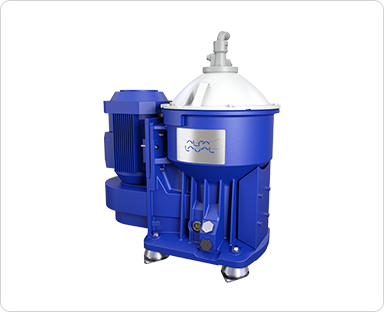
Oil cleaning
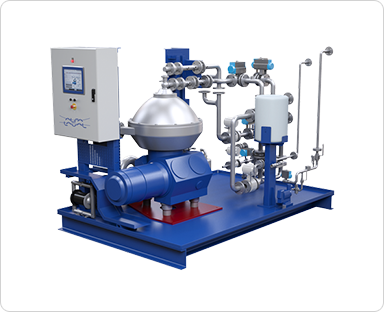
Alfa Laval S and P separators protect your engine and other equipment from impurities such as cat fines.
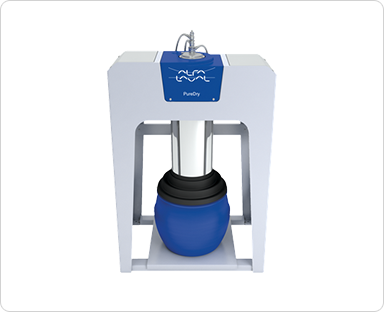
Waste fuel recovery
Alfa Laval PureDry can recover reusable fuel from waste oil – and eliminate wet sludge for disposal.
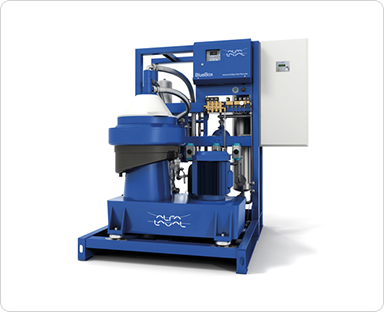
Bilge water treatment
Alfa Laval PureBilge provides bilge water compliance in any conditions – without filters and waste.
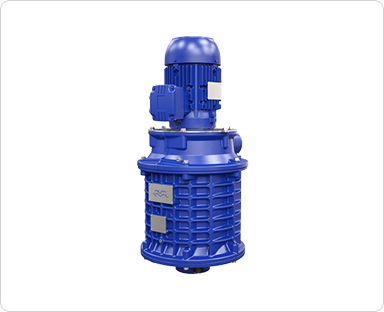
Crankcase gas cleaning
Alfa Laval PureVent removes oil and particles from crankcase gas, removing an overlooked source of emissions.
EGR water treatment
Alfa Laval PureNOx Prime supports Exhaust Gas Recirculation (EGR) by effectively cleaning process and bleed-off water.
Alfa Laval Marine Service
Worldwide and 24/7, Alfa Laval Marine Service is your path to greater uptime, optimized performance and true peace of mind. Our network is always on call, and our service offering brings reliability, efficiency and compliance throughout your equipment's lifetime.
24/7 Service & Support
Contact us anywhere, anytime:
+46 4636 7700
marine.service@alfalaval.com
Our global network of service centres centres, distribution centres and field service engineers is always ready at assist you.
Meeting industry challenges
Alfa Laval’s separation expertise goes far beyond the separators themselves.
Cat fines
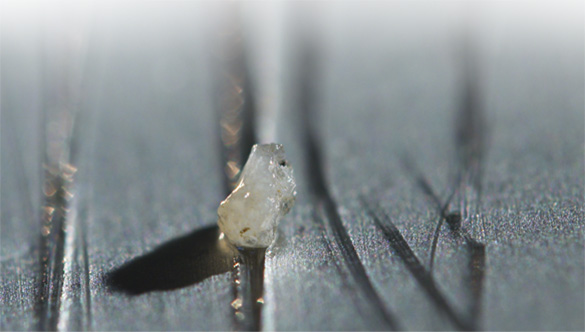
Centrifugal separators are the best line of defence against cat fines, and their protection can be made even more effective. Flow optimization of the separator feed improves separation efficiency while saving a great deal of energy – not only in the pumps, but also in the separator itself.